


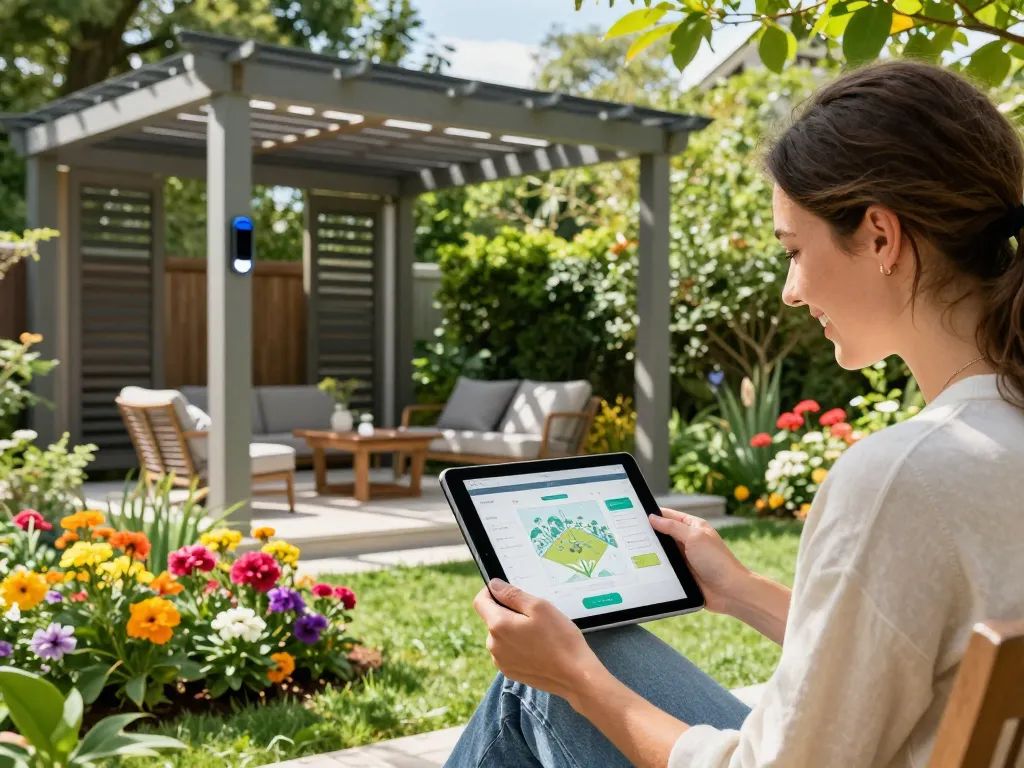
Understanding the 3D Pergola Configurator
In the age of digital design, the 3D pergola configurator has emerged as a game-changer for homeowners and designers alike. This sophisticated tool allows users to create detailed, realistic models of pergolas tailored to their specific needs. By transforming abstract ideas into tangible visualizations, it empowers users to make informed design choices that enhance their outdoor living spaces.
What is a 3D Pergola Configurator?
A 3D pergola configurator is a software application or online tool that enables users to design and visualize pergolas in three dimensions. Unlike traditional blueprints, these configurators offer an intuitive interface where users can manipulate various design elements such as size, shape, materials, and colors. The result is a realistic representation of the pergola that can be viewed from multiple angles, allowing for a comprehensive understanding of how it will fit into the surrounding environment.
Benefits of Using a 3D Configurator for Pergolas
Utilizing a 3D configurator brings numerous advantages:
- Enhanced Visualization: Users can see exactly how their pergola will look before construction begins, reducing uncertainty.
- Customization Options: Each configurator typically offers a range of styles, materials, and finishes, making it easy to personalize designs to match individual tastes.
- Real-Time Adjustments: Users can make adjustments instantly, allowing for quick iterations and the exploration of different design possibilities.
- Price Estimation: Many configurators provide instant quotes based on the selected design, helping users stay within budget.
- Integration with Other Tools: Some configurators can integrate with architectural software or provide AR capabilities, further enhancing the design experience.
Key Features to Look For
When selecting a 3D pergola configurator, consider the following features:
- User-Friendly Interface: Look for a tool that is easy to navigate, ensuring a smooth design process.
- Variety of Customization Options: Ensure the configurator offers various styles, materials, colors, and sizes.
- 3D Visualization: High-quality graphics and realistic rendering are essential for accurate visual representation.
- Cost Estimation Tool: A feature that provides price calculations based on design choices helps in budgeting.
- Export Options: The ability to save or share designs in different formats can be beneficial for consultations with contractors.
Getting Started with Your 3D Pergola Design
Choosing the Right Materials
The materials chosen for a pergola can greatly influence its durability, aesthetics, and maintenance. Common materials include:
- Wood: Offers a classic look but requires regular maintenance to prevent decay.
- Aluminum: Lightweight, resistant to rust, and available in various colors.
- Vinyl: Offers low maintenance and durability, but can lack the natural look of wood.
- Steel: Provides strength and modern aesthetics but may require protective coatings against rust.
Consider the climate in your area when selecting materials, as some may fare better under specific weather conditions.
Customizing Your Pergola: Style and Size
Customization is arguably one of the most exciting aspects of working with a 3D configurator. Users can choose from various styles, ranging from traditional to modern designs. Additionally, the size of the pergola should be proportional to the space it will occupy, enhancing both functionality and aesthetics. Consider how the pergola will be used: for dining, relaxing, or providing shade, as this will influence its dimensions.
Setting Up the Configurator Software
Before diving into design, ensure your device meets the software requirements of the configurator. Most online tools are accessible through web browsers, while some may require downloads. Familiarize yourself with the interface, paying attention to the toolbars and design options. Many configurators also provide tutorials or guides that can help you get started efficiently.
Design Best Practices for Your Pergola
Integrating Outdoor Living Spaces
When designing a pergola, it’s essential to think about how it complements other outdoor elements. A well-placed pergola can enhance outdoor living areas by creating a defined space for entertaining or relaxing. Consider integrating it with outdoor furniture, gardens, or pathways to create a cohesive outdoor experience.
Color Schemes and Aesthetic Considerations
Color plays a significant role in the overall aesthetic of your pergola. Choose colors that harmonize with your home’s exterior and the surrounding landscape. Earthy tones often blend well with natural environments, while vibrant colors can make the pergola a focal point. Using the configurator, experiment with different palettes to visualize how changes impact the overall look.
Functional Enhancements: Lighting and Shade
Many modern pergolas incorporate functional features that enhance usability. Consider adding:
- LED Lighting: Ideal for evening gatherings, lighting can be installed within the structure or along its perimeter.
- Retractable Awnings: Provides flexible shade options based on the time of day.
- Fan Installation: Keeping the pergola cool during hot days can extend its usability.
Real-World Applications and Success Stories
Case Studies: Transformations with the 3D Configurator
Real-world applications highlight the efficacy of 3D configurators in delivering successful outdoor solutions. For instance, a family in suburban Chicago utilized a configurator to design an expansive pergola that not only provided shelter for their outdoor kitchen but also integrated seamlessly with their landscape. The result was a versatile entertaining space that increased both functional use and property value.
Expert Insights on Pergola Designs
Industry experts frequently share insights on the significance of thoughtful design. According to landscape architect Sarah Johnson, “A well-designed pergola not only enhances the beauty of a space but can also improve its functionality. It’s important to consider how all elements work together to create an impressive outdoor environment.”
Common Mistakes to Avoid When Designing
While designing a pergola can be enjoyable, there are common pitfalls to avoid:
- Ignoring Local Regulations: Always check zoning laws and building codes before starting your project.
- Overly Complicated Designs: Simplicity often yields the most elegant results.
- Neglecting Maintenance Considerations: Choose materials wisely based on your willingness to maintain them.
The Future of 3D Configuration and Design Tools
Trends to Watch in Outdoor Living Spaces by 2026
As we look towards the future, several trends are emerging in outdoor living spaces. Sustainability is becoming a priority, with many homeowners opting for eco-friendly materials and designs. Additionally, the integration of smart technology, such as automated lighting and climate control systems, is expected to rise, making outdoor spaces more functional and enjoyable.
Innovative Technologies Revolutionizing Design
As technology advances, so do the capabilities of 3D configurators. Augmented reality (AR) tools are enhancing user experiences by allowing customers to visualize their designs in real-world settings before construction begins. Furthermore, AI-driven suggestions can help guide decisions based on user preferences and popular design trends.
The Role of User Experience in Future Software
User experience (UX) is critical in the continuous improvement of design software. Future configurators will likely feature more intuitive interfaces, personalized experiences, and enhanced customer support to ensure users can navigate tools effortlessly.
How Can I Get Started with a 3D Pergola Configurator?
To begin your journey with a 3D pergola configurator, start by identifying your design goals and preferences. Research different software options, paying attention to features that align with your needs. Many platforms offer free trials or demos, so take advantage of these to find the tool that feels right for you.
What Features Should I Prioritize in a Configurator?
Key features to prioritize include user-friendliness, customization options, and accurate visualization capabilities. Additionally, look for configurators that provide instant pricing and export options, as these can simplify the decision-making process.
Can I Use the Configurator for Other Outdoor Structures?
Most 3D configurators are versatile and can be adapted for designing various outdoor structures beyond pergolas, such as gazebos, patios, and decks. This makes them invaluable tools for comprehensive outdoor design.
Are There Free Options for Designing My Pergola?
Yes, several configurators offer free versions or trials that provide a limited range of features. While these may not be as comprehensive as paid versions, they can be a good starting point for initial designs.
What Are the Advantages of 3D vs. 2D Design Tools?
3D design tools offer enhanced visualization capabilities, allowing users to see depth, spatial relationships, and realistic representations of their designs. 2D tools can lack these features, making it more challenging to picture the final product. Additionally, 3D configurators often provide more interactive and engaging experiences.

