


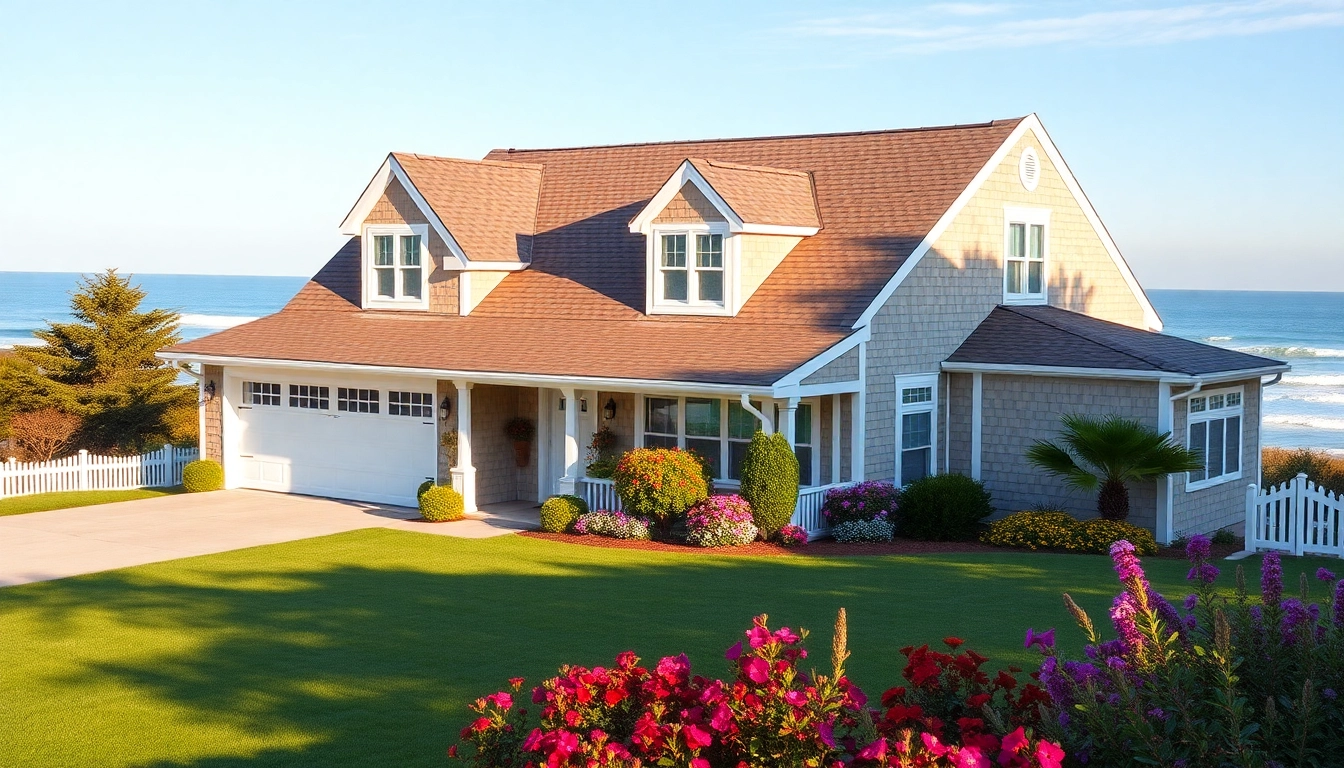
Understanding Cape Cod Homes
Cape Cod homes are synonymous with charm, simplicity, and a deep-rooted connection to American history. Originating in the 17th century, these homes reflect the lifestyle of New England fishermen and their families. The architectural style has weathered countless trends, continuously embodying a sense of timelessness. As you consider expanding your space, it is essential to understand the distinctive characteristics and historical context that make these homes so unique. Exploring cape cod homes will guide you in crafting an expansion that complements this heritage.
Historical Significance of Cape Cod Homes
The design of Cape Cod homes reflects the pragmatic needs of early settlers. Built to withstand harsh winters and strong coastal winds, these homes feature steeply pitched roofs and symmetrical facades to shed snow and rain. The interiors were designed for functionality, employing small, cozy rooms that maximized warmth from the fireplace. Understanding this historical significance can inspire thoughtful renovations that honor the original spirit of the design.
Distinctive Architectural Features
Characteristic features of Cape Cod homes include:
- Steep Roofs: Typically gabled and steep-pitched to shed snow.
- Symmetrical Facades: Simple, balanced designs that evoke order and harmony.
- Wooden Clapboard Siding: Often painted in muted hues, this siding reflects the natural surroundings.
- Dormer Windows: These provide essential light and space in upper levels, often contributing charm to the roofline.
These features not only signify the style but also adapt to the coastal environment, making them both beautiful and practical.
Modern Adaptations of Cape Cod Homes
While the traditional Cape Cod homes are beloved, modern adaptations have emerged that blend classic charm with contemporary needs. Open floor plans, larger windows, and eco-friendly materials have been integrated into designs to enhance usability and comfort. These adaptations allow homeowners to maintain the nostalgic feel of the home while catering to today’s sustainable living preferences.
Planning Your Cape Cod Home Expansion
When considering expanding your Cape Cod home, a strategic approach ensures that the final design remains true to its roots while accommodating your needs. Let’s dive into the essential steps you should follow in the planning process.
Assessing Your Space Needs
Start with a comprehensive assessment of your current living spaces. Understanding your needs—whether you require additional bedrooms, a bigger kitchen, or a multi-purpose room—will guide the expansion process. Consider whether your expansion is for growing family needs, entertaining, or even potential rental opportunities. Structured interviews with household members can further clarify these objectives.
Budgeting for an Expansion Project
Budgeting is crucial in any home renovation project. Costs can vary widely based on the type of expansion, materials chosen, and labor. Generally, expansions can range from $100 to $400 per square foot. To create an effective budget, consider the following:
- Permits: Check local regulations and permit requirements.
- Contractor Quotes: Obtain multiple quotes to ensure competitive pricing.
- Contingency Funds: Set aside 10-15% of your budget for unforeseen expenses.
This thorough approach will safeguard against overspending and potential project delays.
Choosing the Right Contractors
Hiring the right contractor can make or break your project. Look for contractors who specialize in Cape Cod renovations, as they will better understand the architectural nuances and regulations. Always check references, review previous work, and confirm licensing and insurance. A well-selected contractor will be a valuable partner in manifesting your vision while adhering to the standards of the Cape Cod aesthetics.
Designing Functional Attached Garages
Expanding your Cape Cod home often includes adding an attached garage, which maximizes functionality without sacrificing style. The integration of a garage can enhance property value and everyday convenience.
Incorporating Style with Functionality
When designing an attached garage, it’s essential to maintain the integrity of the Cape Cod style. A garage can be visually coherent with the home if styled appropriately. Use similar siding, roofing materials, and color schemes. Consider including features such as:
- Windows: To break up large wall expanses and maintain style.
- Shutters: Providing a consistent aesthetic with the main house.
- Storage Solutions: Incorporate shelves and cabinets for pragmatic use of space.
These design considerations can harmonize your garage with the overall aesthetic of the home.
Building Codes and Regulations
Adhering to construction codes and zoning laws is paramount. Each locality has specific regulations regarding building permits, setbacks, and height restrictions. Knowledge of these laws will prevent legal issues and help streamline your construction process. Consult with your contractor to ensure that all local codes are met.
Eco-Friendly Garage Design Options
Modern homeowners are increasingly emphasizing sustainability. Integrating eco-friendly features like solar panels, energy-efficient doors, and rainwater collection systems can lead to long-term savings and a reduced carbon footprint. Additionally, insulate your garage to ensure temperature control and lower energy consumption.
Landscaping Around Your Cape Cod Home
The right landscaping can significantly elevate the visual appeal of your Cape Cod home, complementing its architectural style. A carefully curated outdoor space can enhance curb appeal, making your home inviting to both residents and guests.
Choosing the Right Plants
Consider native and drought-resistant plants that thrive in coastal climates. Plant selections such as hydrangeas, beach plums, and daylilies not only withstand the elements but also reflect the local flora. Grouping plants in clusters creates natural beauty while minimizing water usage, providing an environmentally responsible and visually appealing landscape.
Creating Outdoor Living Spaces
Outdoor living spaces are becoming increasingly popular among homeowners. A well-designed patio or deck can serve as an extension of your living area, allowing for dining, entertaining, or relaxing. Incorporate comfortable seating, fire pits, or outdoor kitchens to create an inviting atmosphere. Consider using natural materials like wood or stone to align with the traditional aesthetics of Cape Cod homes.
Maintaining Curb Appeal
Curb appeal is crucial for your home, especially if you plan on listing it in the future. Keep in mind the following elements:
- Regular Maintenance: Ensure that landscaping is well-kept with regular pruning, mowing, and weeding.
- Seasonal Decor: Changing decorations with seasons can add charm without a significant financial investment.
- Walkways: Thoughtfully designed pathways can guide guests and add structure to your yard.
These elements collectively enhance the aesthetic quality and invite attention to your Cape Cod home.
FAQs About Cape Cod Homes
What are common features of Cape Cod homes?
Common features include steep roofs, symmetrical facades, wooden clapboard siding, dormers, and a cozy interior layout designed for warmth and function.
How can I increase the value of my Cape Cod home?
Enhance value through thoughtful renovations, maintaining historical features, landscaping, and ensuring energy efficiency. Modern amenities in a classic style can significantly attract buyers.
What landscape features complement Cape Cod style?
Features like native plants, stone walkways, white picket fences, and outdoor gathering spaces blend beautifully with the coastal aesthetic of Cape Cod homes.
What are the benefits of expanding my home?
Expanding your home can accommodate a growing family, enhance functionality, and increase property value while also allowing you to customize your living space.
How do I maintain a Cape Cod home during harsh weather?
Regular maintenance of roofs, siding, and gutters is essential. Use weatherproof materials and inspect for damage after storms to ensure longevity and structural integrity.


