


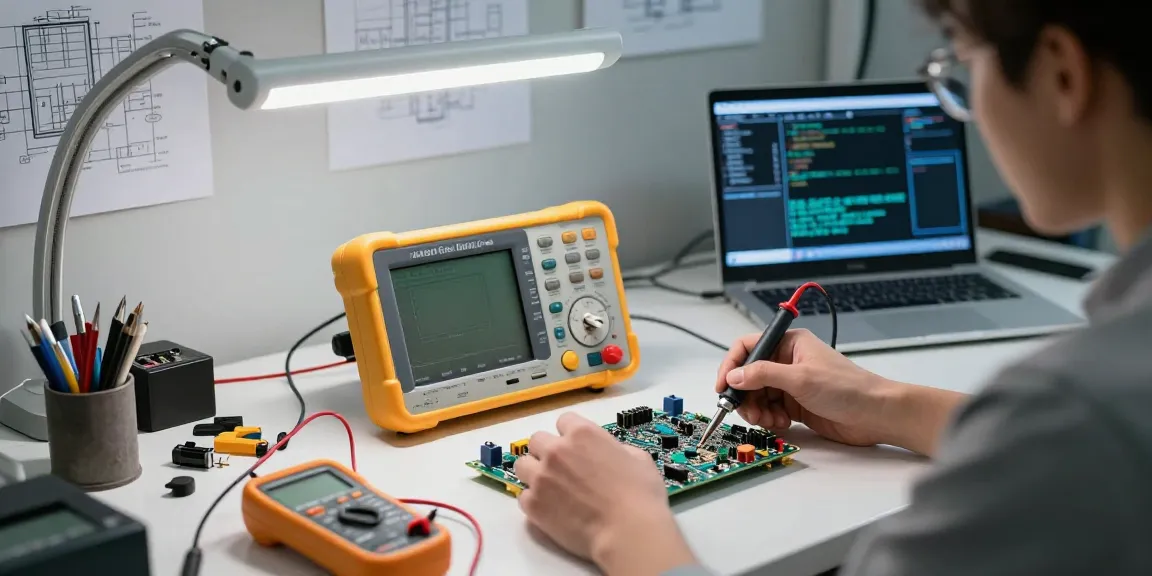
Understanding Handheld Oscilloscope Multimeters
In the ever-evolving world of electronics, precision and versatility are paramount. Handheld oscilloscope multimeters have emerged as essential tools for engineers, technicians, and hobbyists alike. These compact instruments integrate the functionalities of both an oscilloscope and a multimeter, providing users with a comprehensive solution for electronic testing and analysis. When exploring options, handheld oscilloscope multimeter collections offer an extensive range of features that cater to various applications and skill levels.
What is a Handheld Oscilloscope Multimeter?
A handheld oscilloscope multimeter combines the capabilities of two key electrical measurement tools: an oscilloscope, which visualizes electrical signals over time, and a multimeter, which measures voltage, current, and resistance. This integration allows users to perform both time-domain analysis and basic electrical measurements from a single device, making it an invaluable asset in both fieldwork and laboratory settings.
Key Features and Functionalities
- Multiple Measurement Modes: A typical handheld oscilloscope multimeter supports various measurement functions, including AC/DC voltage, current, resistance, frequency, and capacitance.
- Oscilloscope Functions: Users can visualize signal waveforms, enabling detailed analysis of electrical signals, noise, and distortions.
- Data Storage: Most models feature data storage capabilities, allowing users to capture and review waveforms or measurement results at a later time.
- Rechargeable Battery: Designed for mobility, these devices typically come with rechargeable batteries, ensuring long-lasting performance during field testing.
- User-Friendly Interface: With intuitive layouts and bright displays, these multimeters are designed to be accessible to both beginners and experienced professionals.
Importance in Electronics Testing and Analysis
In modern electronic design and troubleshooting, the ability to visualize signals in real-time while simultaneously measuring electrical parameters is crucial. Handheld oscilloscope multimeters provide the functionality needed to quickly diagnose issues in circuits, analyze signals, and perform on-the-spot measurements, streamlining the testing process significantly.
Choosing the Right Model for Your Needs
Factors to Consider When Buying
Selecting the appropriate handheld oscilloscope multimeter involves evaluating various factors to ensure that the device meets your specific needs. Key considerations include:
- Bandwidth: The bandwidth is a critical factor that determines how well the oscilloscope can capture high-frequency signals. Most handheld models offer bandwidths ranging from 10 MHz to 100 MHz.
- Sampling Rate: The sampling rate indicates how many samples per second the oscilloscope can capture. A higher sampling rate improves the accuracy of the signal representation.
- Number of Channels: Depending on the complexity of your tasks, you may require a single or multiple channels to observe several signals simultaneously.
- Portability: Consider the weight and size of the device, especially if you plan to use it in the field.
- Price: Budget is often a defining factor in your choice, so it’s essential to balance cost against the features provided.
Comparing Popular Handheld Oscilloscope Multimeters
When comparing models, it’s essential to examine specifications and user reviews to determine which option aligns best with your requirements. Popular models, such as the HANMATEK® HO102S 3-in-1 Handheld Oscilloscope, are praised for their multifunctionality and ease of use, making them suitable for a wide range of applications.
Beginner vs. Professional Use Cases
For beginners, a handheld oscilloscope multimeter with simplified controls and guided functionalities is ideal for learning key concepts and hands-on practice. These models typically include tutorials or user-friendly manuals designed to help new users get started without feeling overwhelmed. For professionals, advanced features such as higher bandwidth, extensive data storage, and multi-channel capabilities are essential for conducting thorough analyses and complex troubleshooting tasks.
Best Practices for Using Handheld Oscilloscopes
Tips for Accurate Measurements
Obtaining accurate measurements with a handheld oscilloscope multimeter requires attention to detail and adherence to best practices:
- Calibration: Regularly calibrate your device to maintain accuracy. Most manufacturers provide specific guidelines for calibration procedures.
- Probe Usage: Ensure that the probes used are appropriate for the measurements and are correctly compensated for accurate readings.
- Minimize Noise: Use proper grounding techniques to reduce electromagnetic interference and achieve clearer signal readings.
- Proper Settings: Adjust the settings according to the signal type (AC or DC) for optimal results.
Common Mistakes to Avoid
Some common pitfalls users encounter when operating handheld oscilloscopes include:
- Incorrect Probe Attenuation: Failing to set the probe attenuation can lead to significant measurement errors.
- Poor Connection: Loose connections can introduce noise and inaccurate readings, so always ensure that probes are securely attached.
- Ignoring Temperature Effects: Temperature variations can affect measurements; understanding how your device performs under different conditions is key to getting reliable results.
Maintenance and Care for Longevity
To extend the life of your handheld oscilloscope multimeter, consider the following maintenance tips:
- Regular Cleaning: Keep the device clean and free from dust, especially around connectors and display areas.
- Avoid Extreme Conditions: Store the device in a controlled environment, avoiding exposure to extreme temperatures, humidity, or direct sunlight.
- Battery Care: Follow manufacturer guidelines for charging and discharging the battery to prolong its lifespan.
Applications Across Industries
Use in Automotive Diagnostics
Handheld oscilloscope multimeters have found significant applications in automotive diagnostics. Technicians use these tools to measure various signals from sensors and actuators, diagnosing issues with engine performance and electronic systems quickly and efficiently. For example, analyzing the waveform from an ignition system can provide insights into misfire conditions, enabling more effective repairs.
Applications in Educational Settings
In educational environments, handheld oscilloscopes serve as practical teaching tools. Students can engage in hands-on learning, experimenting with circuit designs and troubleshooting techniques. These devices help bridge the gap between theoretical knowledge and practical application, enhancing the educational experience in electronics and engineering programs.
Field Testing in Engineering
Engineers conducting field testing rely on handheld oscilloscopes for quick and precise measurements. Whether monitoring the performance of industrial machinery or troubleshooting signal integrity in communication systems, these devices offer the portability and flexibility required for successful field operations.
Future Trends in Handheld Oscilloscope Technology
Emerging Technologies and Features
The future of handheld oscilloscope technology is promising, with emerging features that enhance usability and functionality. Advancements in connectivity, such as Bluetooth and Wi-Fi capabilities, allow for remote monitoring and data analysis via smartphones or computers, thereby improving user accessibility and collaboration.
Predictions for 2026 and Beyond
As technology continues to advance, handheld oscilloscope multimeters are expected to incorporate more sophisticated analytical tools, including AI-driven signal processing and enhanced user interfaces for better user experience. The integration of machine learning algorithms can provide automated features, improving measurement accuracy and efficiency.
Impact of AI and Connectivity on Devices
AI technology will significantly impact handheld oscilloscopes, enabling predictive diagnostics and automated adjustments based on real-time data analysis. This evolution will improve efficiency and accuracy in diagnostics and testing across various industries.
What To Look For in Upcoming Models?
When considering future purchases, be on the lookout for advancements in bandwidth, sampling rates, and integrated functionalities. Features such as higher-resolution displays, cloud connectivity for data management, and enhanced battery life will also be critical factors that define the next generations of handheld oscilloscopes.


