


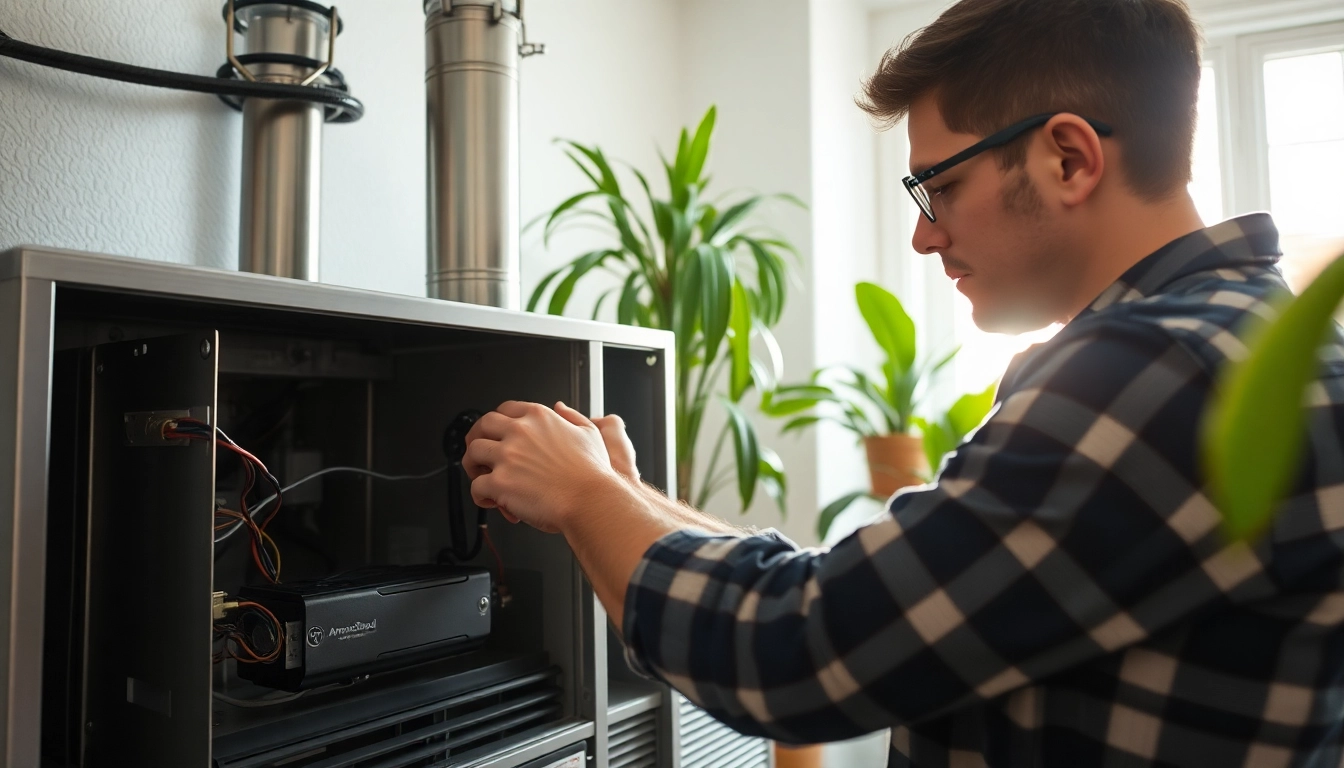
Overview of American Standard Furnace
The american standard furnace represents a reliable and efficient solution for home heating needs. Known for its exceptional build quality and performance, American Standard furnaces are designed to provide warmth and comfort while optimizing energy usage. This comprehensive guide will explore American Standard furnaces, covering what they are, their key features, how to choose the right model, and more.
What is an American Standard Furnace?
An American Standard furnace is a type of heating unit that operates primarily on gas, offering reliable warmth to residential spaces. Renowned for its innovative design and engineering, these furnaces are capable of high-efficiency performance, leveraging modern technology to reduce energy consumption while providing effective heat delivery. With various models available, homeowners can select an option tailored to their specific heating needs, ensuring optimal comfort throughout the colder months.
Key Features of the American Standard Furnace
American Standard furnaces boast several features that set them apart in the marketplace:
- Energy Efficiency: Many models have high AFUE ratings (Annual Fuel Utilization Efficiency), indicating better fuel use efficiency.
- Quiet Operation: Designed with sound-dampening technology, these furnaces operate quietly, enhancing indoor comfort.
- Durability: Constructed with high-quality materials designed to withstand wear and tear, ensuring longevity.
- Smart Technology Integration: Some models include smart controls, allowing homeowners to monitor and adjust their heating systems remotely.
- Customization Options: Various configurations and accessories allow for tailored installations to meet unique living conditions.
How to Choose the Right Model
When selecting an American Standard furnace, consider the following factors:
- Heating Capacity: Measured in BTUs, determine the required capacity based on the size of your home.
- Energy Efficiency Ratings: Look for models with higher AFUE ratings to save on energy bills.
- Features: Assess which features (e.g., smart technology, multi-stage heating) are essential for your comfort.
- Budget: Set a budget that includes both the furnace unit and installation costs.
Efficiency Ratings and Performance
Understanding Efficiency Ratings for American Standard Furnace
Efficiency ratings for furnaces are crucial as they directly affect the energy consumption and costs of heating a home. The AFUE rating indicates the percentage of fuel converted into heat. For example, an AFUE of 95% means 95% of the energy consumed is used for heating, while 5% is lost. This means that choosing higher AFUE-rated models like those from American Standard can lead to substantial savings over time.
Performance Metrics That Matter
When evaluating the performance of an American Standard furnace, consider metrics such as:
- Heating Speed: The time it takes for the furnace to heat a specified area.
- Heat Distribution: How evenly the heat spreads throughout a home, impacted by the furnace design and ductwork.
- Maintenance Frequency: How often a unit requires servicing to maintain peak performance.
Comparative Analysis of Different Models
American Standard offers a variety of furnace models, each with unique features and specifications. Some popular high-efficiency models include:
- Platinum 95: Known for its exceptional efficiency (up to 97.3% AFUE) and quiet operation.
- Gold Series: Balances performance and efficiency, often recommended for moderate climate areas.
- Silver Series: Reliable and cost-effective, perfect for budget-conscious homeowners.
Cost Analysis of American Standard Furnace
Components Affecting the Price
The price of an American Standard furnace varies based on several factors, including:
- Model Type: High-efficiency models generally have a higher upfront cost due to superior technology.
- Installation Requirements: Complex installation can increase labor costs.
- Additional Features: Models with advanced features such as smart technology may cost more.
Installation Costs and Budgeting
Installation costs for an American Standard furnace can range significantly, typically from $1,500 to $4,200, varying based on complexity and local labor rates. Consider budgeting for:
- Furnace unit purchase
- Installation labor
- Permits and inspections
Long-term Savings on Energy Bills
Investing in a high-efficiency American Standard furnace can yield significant long-term savings on energy bills. A more efficient model reduces fuel usage and lessens the impact on your monthly expenses, translating to lower utility costs year-round. Over time, the initial investment can often pay for itself through energy savings.
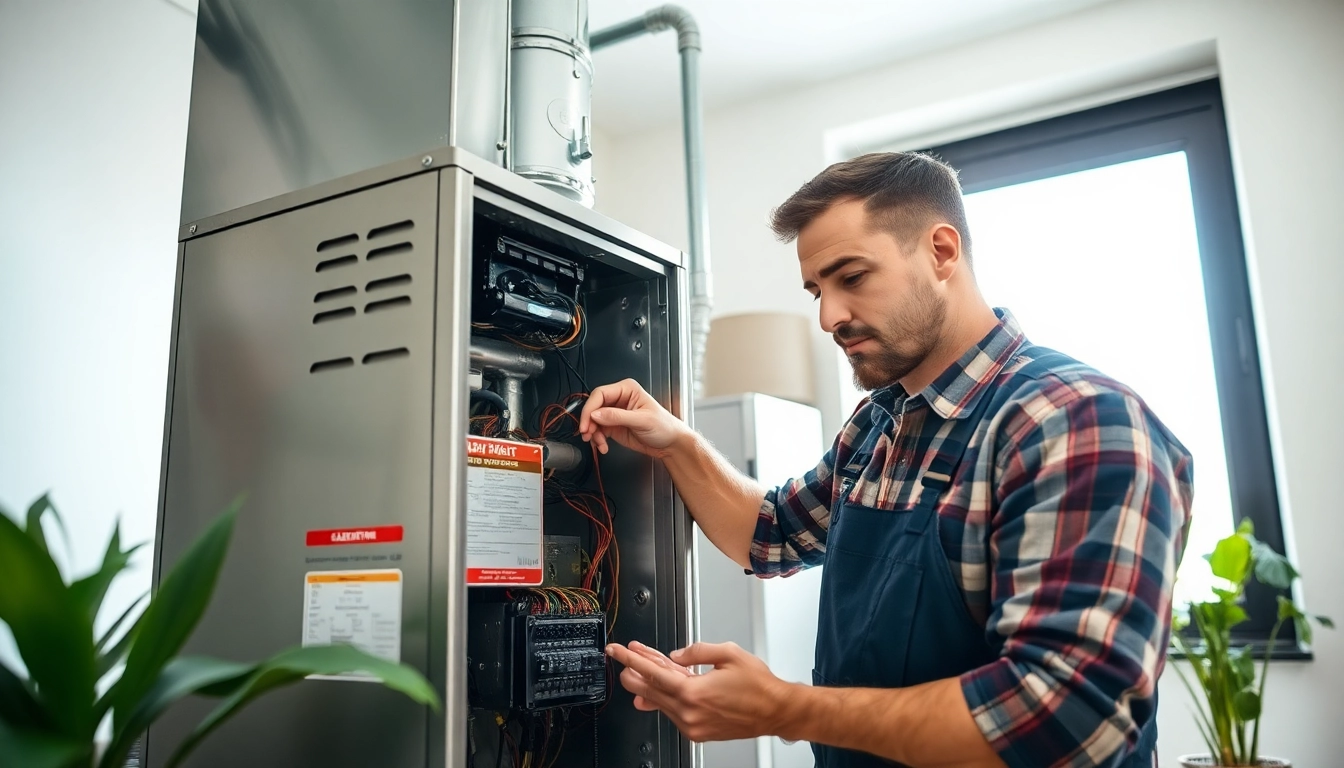
Common Issues and Troubleshooting
Frequent Problems with American Standard Furnace
Some common issues that homeowners may encounter with American Standard furnaces include:
- Inconsistent heating
- Strange noises during operation
- Frequent cycling on and off
- Furnace not starting
Steps for Troubleshooting
If you encounter issues with your furnace, there are several troubleshooting steps you can take:
- Check the thermostat settings and batteries.
- Inspect the air filter and replace if dirty.
- Ensure all vents are open and unobstructed.
- Look for any error codes on the control panel.
When to Call a Professional
Call a certified technician if troubleshooting does not resolve the issue, particularly for:
- Electrical problems
- Gas leaks or odors
- Major malfunctions in the furnace’s mechanics
Maintenance Tips for Longevity
Regular Maintenance Checklist for American Standard Furnace
To ensure your American Standard furnace operates efficiently, schedule regular maintenance. This should include:
- Annual inspections by a certified technician
- Replacing air filters at least every three months
- Cleaning the furnace and surrounding area to prevent dust buildup
DIY Maintenance Practices
Homeowners can perform simple maintenance tasks, such as checking the thermostat regularly, replacing air filters, and keeping ductwork clear. Performing these tasks can improve efficiency and prolong your furnace’s lifespan.
Importance of Professional Inspections
While some maintenance tasks can be done independently, professional inspections are vital for identifying potential issues that could compromise safety and efficiency. A trained technician can conduct thorough examinations and make necessary repairs.
Frequently Asked Questions
1. What is the lifespan of an American Standard furnace?
Typically, an American Standard furnace can last between 15 to 25 years, depending on usage and maintenance.
2. How often should I service my furnace?
For optimal performance, it’s advisable to have your furnace serviced at least once a year.
3. What factors affect the efficiency of my furnace?
Factors include the age of the unit, insulation of the home, and thermostat settings.
4. How can I improve my furnace’s efficiency?
Regular maintenance, sealing leaks in ductwork, and using a programmable thermostat can enhance efficiency.
5. Are American Standard furnaces environmentally friendly?
Yes, many models are designed to reduce emissions and save energy, making them an eco-friendly heating option.


