


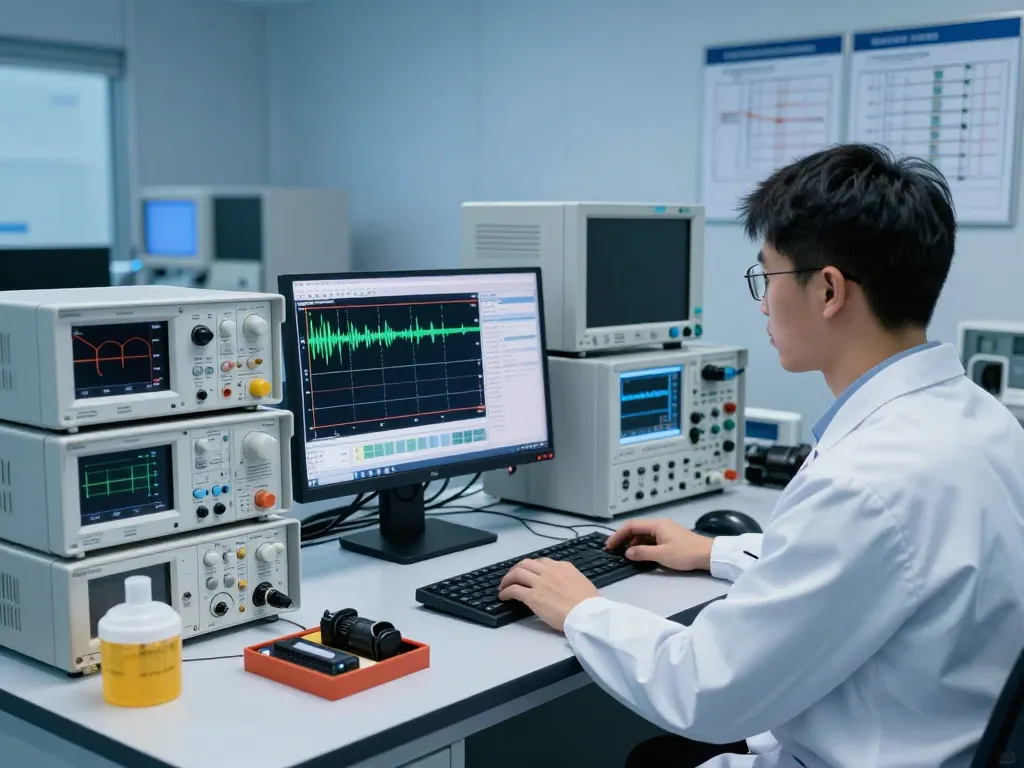
The Importance of RF Testing in Regulatory Compliance
In today’s rapidly evolving technological landscape, ensuring compliance with regulatory standards has never been more critical, especially for companies involved in the production of electronic devices. RF testing serves as a crucial step in validating that devices operate within specified electromagnetic fields without causing interference to others. This process not only affects product approval but also ensures safety and reliability in the marketplace.
What is RF Testing?
RF testing, or radio frequency testing, involves measuring the electromagnetic emissions of devices to ensure they operate within specified limits set by regulatory authorities. The primary goal is to minimize electromagnetic interference (EMI) while maximizing the efficiency and performance of wireless communication devices. This type of testing is essential for a variety of sectors, including telecommunications, automotive, medical devices, and consumer electronics.
Key Regulatory Standards for RF Compliance
Compliance with RF testing standards is governed by several international and national regulations. Key standards include:
- FCC (Federal Communications Commission): In the U.S., the FCC regulates RF emissions to prevent interference.
- ISED (Innovation, Science and Economic Development): Canadian standards that ensure devices meet required RF compliance.
- CE Marking: Indicates conformity with health, safety, and environmental protection standards for products sold within the European Economic Area.
- ETSI (European Telecommunications Standards Institute): Provides standardization for telecommunications and radio equipment within Europe.
Understanding RF Testing Methods and Techniques
RF testing encompasses various methods designed to evaluate different aspects of device performance. Key techniques include:
- Radiated Emissions Testing: Measures the energy emitted from the device to ensure it does not exceed allowable limits.
- Conducted Emissions Testing: Evaluates the energy that travels through electrical cables to prevent interference with other devices.
- Immunity Testing: Assesses the device’s ability to perform reliably when exposed to electromagnetic disturbances.
- Specific Absorption Rate (SAR) Testing: Measures the rate at which the body absorbs RF energy, critical for mobile devices in close proximity to users.
Advanced RF Testing Equipment and Technologies
Overview of Essential RF Testing Instruments
The effectiveness of RF testing largely depends on the tools employed. Essential instruments include:
- Spectrum Analyzers: Used for measuring the power levels of various frequency components.
- Signal Generators: Produce signals for testing device response to specified frequencies.
- RF Probes: Assist in measuring RF signals and simplifying the testing process.
- Anechoic Chambers: Specialized environments that eliminate reflections, offering an accurate testing setting for emissions testing.
The Role of Automation in RF Testing
Automation enhances the reliability and repeatability of RF testing processes. Through automated test systems, manufacturers can efficiently conduct multiple tests with minimal human intervention, reducing the likelihood of errors while speeding up the compliance process. Automated reporting systems also facilitate data management, ensuring that results are accurately documented and easily accessible.
Latest Innovations in RF Testing Technology
With advancements in technology, RF testing has seen several innovations that improve accuracy and reduce costs:
- Software-Defined Radio (SDR): Allows for more flexible and programmable testing setups, adapting to various testing needs.
- Machine Learning: Enhances data analysis capabilities, enabling the prediction of potential compliance issues before they arise.
- Remote Testing Solutions: Enable off-site RF testing, allowing for more extensive coverage and flexibility in testing environments.
RF Testing Processes: From Consultation to Certification
Initial Consultation: Assessing Your Testing Needs
The RF testing process begins with a thorough consultation to understand a client’s product, its intended use, and specific regulatory requirements. During this phase, testing professionals will assess what standards apply to the product and outline the testing procedures necessary to ensure compliance. This initial phase is critical for tailoring the testing process to meet unique product requirements.
Conducting RF Tests: Step-by-Step Guide
Once the consultation is complete, the following steps are generally followed to conduct RF testing:
- Preparation: Set up the testing environment, which may include installing necessary testing equipment and preparing the device.
- Conduct Initial Tests: Perform preliminary tests to evaluate baseline performance.
- Compliance Testing: Execute defined testing procedures, documenting results meticulously.
- Data Analysis: Analyze results against compliance standards and identify any areas that require attention or adjustment.
- Reporting: Compile test results into a comprehensive report outlining findings and next steps.
Certification Submission: Navigating the Compliance Process
Upon successful completion of RF testing, the next phase involves submitting the necessary documentation for certification. Testing labs like Stancer Testing-Lab can assist with this process, navigating regulations and ensuring that the application meets all required standards.
Challenges and Solutions in RF Testing
Common Challenges in RF Testing Compliance
Organizations often face several challenges during RF testing, including:
- Complexity of Standards: Keeping up with the multitude of standards can be overwhelming.
- Device Design Limitations: Certain designs may inherently lead to higher emissions, complicating the compliance process.
- Budget Constraints: Comprehensive testing can be costly, making it difficult for smaller manufacturers to comply.
Strategies for Overcoming Testing Obstacles
To effectively address these challenges, companies can implement several strategies:
- Early Involvement of Testing Experts: Engage testing professionals during the design phase to mitigate issues before they arise.
- Invest in Training: Provide staff with ongoing training on compliance standards and testing methodologies.
- Utilize Modular Testing Approaches: Break down testing into manageable modules to simplify compliance efforts.
Case Studies: Successful RF Testing Implementations
Several organizations have successfully navigated RF testing challenges. For example, a telecommunications company faced delays due to design-related EMI issues. By engaging with testing experts early in the design process, they adjusted their product accordingly, resulting in successful compliance and quicker time-to-market.
Future Trends in RF Testing for 2026 and Beyond
Emerging Technologies Impacting RF Testing
Looking ahead, several emerging technologies are anticipated to shape the RF testing landscape:
- 5G and Beyond: As wireless communication evolves, RF testing methodologies will need to adapt to new technologies and frequencies.
- IoT Expansion: The proliferation of Internet of Things (IoT) devices will necessitate more rigorous testing standards to address their unique RF characteristics.
Predictions for RF Testing Standards Evolution
It is expected that RF testing standards will continue to evolve as regulatory bodies respond to technological advancements. Manufacturers will need to stay informed of changes in standards to ensure ongoing compliance.
Preparing Your Business for Future Compliance Changes
To prepare for future shifts in RF testing standards, businesses should:
- Engage in Continuous Learning: Stay updated on industry trends and regulatory changes.
- Invest in Flexibility: Ensure that testing processes can adapt to new requirements quickly.
- Collaborate with Testing Labs: Work closely with accredited testing labs to navigate changes effectively.
What industries require RF testing?
RF testing is critical for various industries, including telecommunications, automotive, medical devices, consumer electronics, and robotics. Each industry has specific standards it must adhere to, making RF testing an integral part of the product development lifecycle.
How does RF testing ensure product efficiency?
By evaluating a product’s RF performance, manufacturers can optimize device functionality, reduce energy consumption, and prevent unwanted interference, thereby enhancing overall efficiency.
What are the costs associated with RF testing?
The costs of RF testing can vary widely based on the complexity of the tests, the type of device being tested, and the specific regulatory requirements. It’s essential for companies to budget for these costs early in the product development process.
How often should RF testing be performed?
RF testing should be conducted at various stages, including during product design, after modifications, and prior to market launch. Regular testing is crucial, particularly in industries subject to periodic regulatory updates.
What are the consequences of failing RF compliance?
Failure to comply with RF testing standards can lead to significant repercussions, including product recalls, fines, and damage to a company’s reputation. Additionally, non-compliant products may pose safety risks to consumers.


