


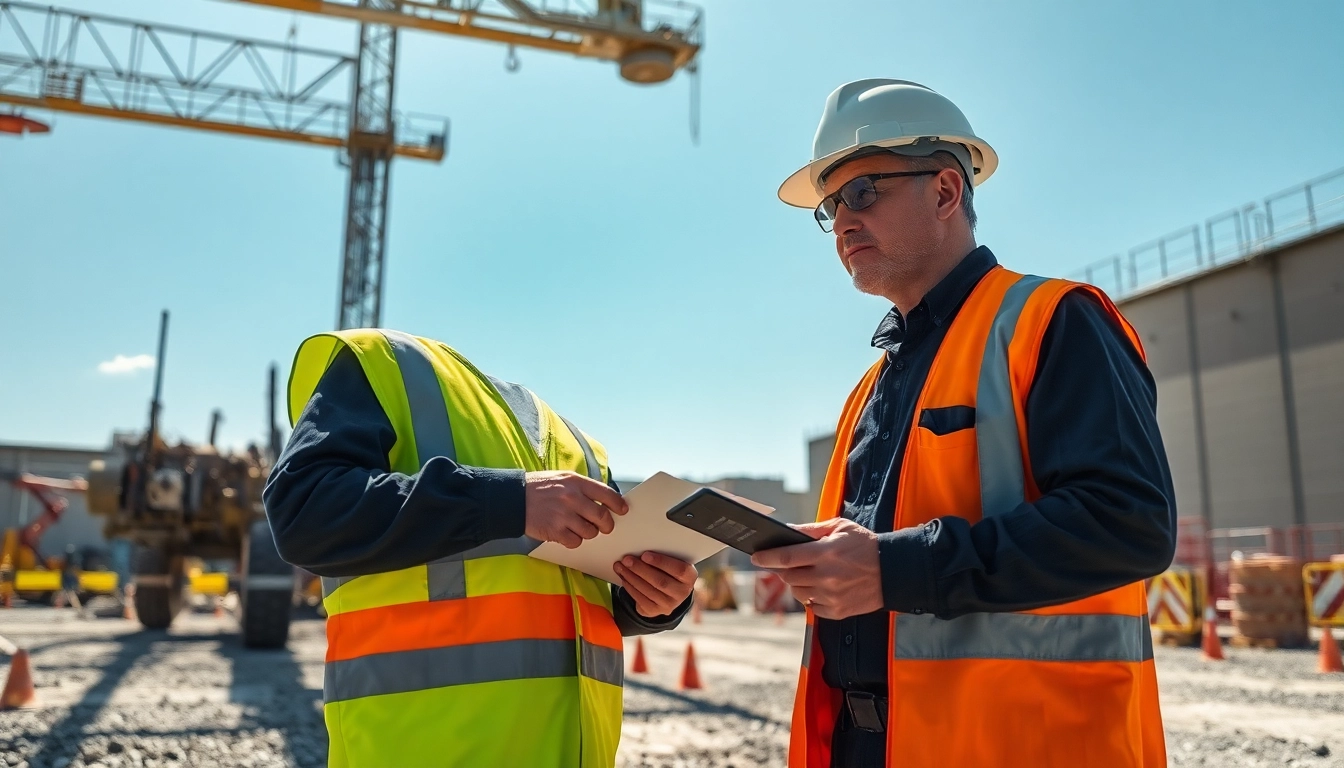
Understanding Physical Hazards
Definition of Physical Hazard
A physical hazard refers to any condition or object that poses a risk of injury or damage. These hazards can be found in various work environments and can originate from equipment, work practices, or environmental conditions. Identifying and controlling physical hazard is crucial for maintaining workplace safety and ensuring the well-being of employees.
Types of Physical Hazards
Physical hazards are classified into several categories, each presenting unique risks and challenges. Understanding these types is essential for effective risk management. Here are the most common types:
- Slips, Trips, and Falls: These are among the most frequent causes of workplace injuries. Surfaces that are wet, uneven, or cluttered can lead to accidents.
- Ergonomic Hazards: Poor posture or repetitive strain from tasks can cause long-term physical issues, particularly in settings where manual labor or prolonged computer use occurs.
- Electrical Hazards: Exposed wires, overloaded circuits, and malfunctioning equipment can result in severe injuries or fatalities.
- Heat and Cold Stress: Extreme temperatures can lead to heat-related illnesses or hypothermia, depending on the environmental conditions.
- Noise Hazards: Prolonged exposure to high noise levels can lead to hearing loss or other health complications.
Impacts on Worker Safety
The impact of physical hazards on worker safety can be profound. Accidents resulting from these hazards not only lead to physical injuries but also have psychological and financial repercussions:
- Injuries and Disabilities: Physical hazards can result in injuries that range from minor to life-altering disabilities, affecting an individual’s quality of life.
- Financial Costs: Workplace injuries can lead to significant costs for businesses, including medical expenses, compensation claims, and increased insurance premiums.
- Lower Morale: A lack of safety reinforces a negative workplace culture, affecting employee morale and job satisfaction.
- Legal Implications: Failure to manage physical hazards can result in legal liabilities for employers, leading to lawsuits and regulatory fines.
Recognizing Physical Hazards in Various Industries
Manufacturing Settings
In manufacturing, physical hazards are prevalent due to machinery, tools, and production processes. Recognizing these risks requires a detailed approach:
- Machinery Safety: Ensure that machines are regularly maintained and adequately guarded against accidental contact.
- Material Handling: Implement safe lifting techniques and equipment to minimize ergonomic hazards.
- Clear Workspaces: Maintain organized work areas to reduce risks from slips, trips, and falls.
Construction Sites
Construction sites are notorious for physical hazards due to the dynamic environment and the use of heavy equipment. Key considerations include:
- Fall Protection: Utilizing guardrails, harnesses, and safety nets to protect workers from elevated surfaces.
- Equipment Safety: Ensuring that all equipment is operated by trained personnel and routinely inspected for safety.
- Weather Conditions: Preparing workers for temperature extremes with appropriate clothing and hydration policies.
Healthcare Facilities
Though healthcare is often viewed as a safe profession, physical hazards still exist. Identifying these can significantly enhance staff safety:
- Patient Handling: Employing lift systems and training to prevent musculoskeletal injuries among staff.
- Sharps and Biohazards: Ensuring proper disposal and handling procedures for needles and other medical waste.
- Noise Levels: Managing noise to reduce distractions and improve communication among staff.
Best Practices for Hazard Identification
Regular Safety Audits
Conducting safety audits is an essential practice for identifying physical hazards. These audits should be thorough and include a variety of assessments:
- Visual Inspections: Regularly inspect work areas for potential hazards, ensuring compliance with safety standards.
- Employee Feedback: Engage workers in the hazard identification process, as they often have firsthand experience with safety issues.
- Checklists: Utilize standardized checklists to ensure that all potential hazards are evaluated and accounted for.
Employee Training Programs
Effective training programs are critical for hazard identification and risk management. Consider the following steps:
- Comprehensive Training: Provide extensive training on recognizing hazards and understanding safety protocols.
- Ongoing Education: Regularly update and refresh training to keep safety at the forefront of employees’ minds.
- Simulation Exercises: Conduct drills or simulations to prepare employees for emergency situations.
Use of Technology for Monitoring
Leveraging technology can vastly improve the ability to identify and monitor physical hazards:
- Wearable Devices: Equip employees with wearables that can detect ergonomic strain or environmental hazards.
- Real-Time Monitoring Systems: Implement systems that provide immediate alerts to hazardous conditions, such as gas detection sensors.
- Data Analytics: Use collected data to identify trends and predict potential hazards before they escalate.
Implementing Control Measures for Physical Hazards
Engineering Controls
Engineering controls are critical in mitigating physical hazards. These controls include:
- Guarding Machines: Implement physical barriers to protect workers from moving parts or hazardous areas.
- Ventilation Systems: Use proper ventilation to mitigate airborne hazards, particularly in confined spaces.
- Safety Signage: Post clear signage to inform workers of hazards and required PPE in specific areas.
Administrative Procedures
Administrative controls are management-based strategies to reduce risks associated with physical hazards:
- Clear Policies: Establish and enforce policies that prioritize safety and outline procedures for hazard reporting.
- Workplace Rotations: Implement job rotation to minimize repetitive stress injuries among workers.
- Incident Reporting: Create a simple process for reporting incidents and near misses to improve safety protocols.
Personal Protective Equipment (PPE)
The use of appropriate personal protective equipment is essential for protecting workers from physical hazards:
- Assessing Needs: Determine the specific PPE required based on the nature of the physical hazards present in the environment.
- Training on Use: Ensure all employees are trained on the correct use, maintenance, and limitations of PPE.
- Regular Inspections: Conduct routine inspections of PPE to ensure it remains in good condition and meets safety standards.
Monitoring and Maintaining Safe Work Environments
Creating a Safety Culture
Establishing a safety culture within an organization is fundamental for consistently addressing physical hazards:
- Leadership Commitment: Management should lead by example, prioritizing safety in all aspects of the workplace.
- Employee Involvement: Encourage employees to participate in safety committees or discussions, empowering them to voice safety concerns.
- Recognition Programs: Implement programs that recognize safe behaviors and initiatives, reinforcing the importance of safety.
Feedback Mechanisms
Establishing effective feedback mechanisms ensures continuous improvement in hazard management:
- Surveys and Questionnaires: Use employee surveys to gather feedback on safety practices and areas for improvement.
- Regular Safety Meetings: Conduct safety meetings to discuss concerns, share updates, and brainstorm solutions collaboratively.
- Open-Door Policies: Encourage a culture where employees can voice concerns about physical hazards without fear of repercussions.
Continuous Improvement Practices
To maintain a high standard of safety, organizations must commit to continuous improvement in their hazard management practices:
- Review and Update Policies: Regularly review safety policies and procedures to reflect best practices and new regulations.
- Benchmark Against Standards: Compare your safety practices against industry standards to identify gaps and areas for improvement.
- Iterative Training: Continuously refine and improve employee training programs based on recent safety trends and incidents.
Frequently Asked Questions
What are common examples of physical hazards?
Common examples include slips, trips, falls, electrical hazards, noise exposure, and ergonomic strain from improper lifting techniques.
How can physical hazards be identified effectively?
Physical hazards can be identified through regular safety audits, employee feedback, visual inspections, and the use of technology for monitoring hazards.
What is the role of PPE in minimizing physical hazards?
PPE protects workers from exposure to physical hazards, such as hard hats for falling objects, gloves for hand injuries, and goggles for eye protection.
How often should safety audits be conducted?
Safety audits should be conducted at least quarterly or more frequently if major changes occur in the workplace or new equipment is introduced.
What are the benefits of creating a safety culture?
A safety culture promotes employee engagement, reduces workplace accidents, improves morale, and demonstrates a commitment to worker well-being.


