


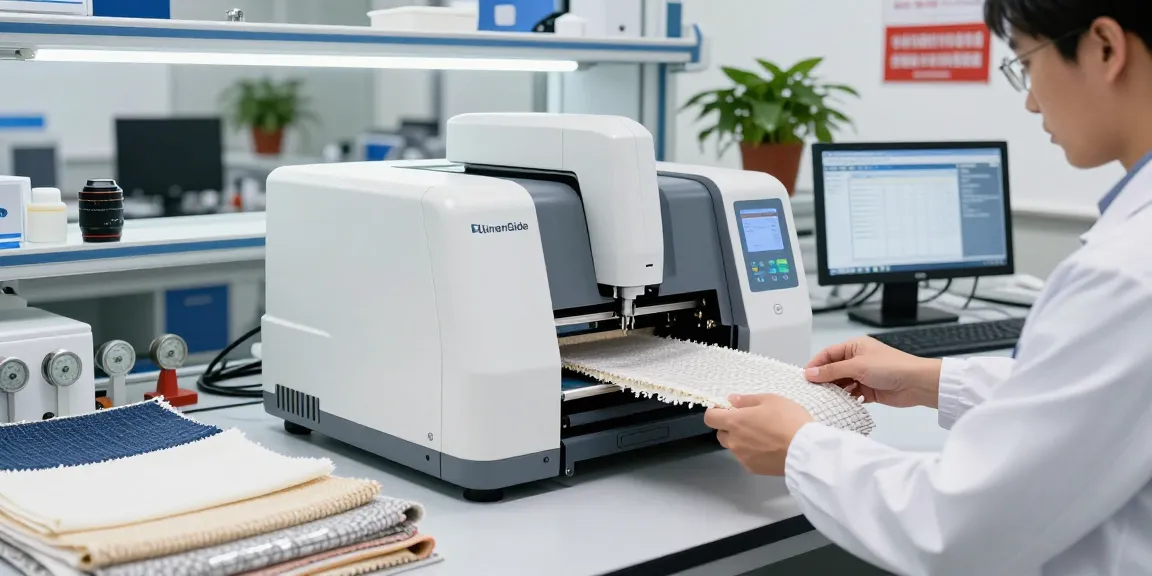
Understanding the Tearing Test: Fundamentals and Importance
The tearing test is a critical measure utilized in various industries to evaluate the tearing strength of materials, which directly affects their durability and performance under stress. Understanding the nuances of tearing tests empowers manufacturers, quality control teams, and researchers to select and utilize materials that meet stringent performance standards. In the textile industry, for example, assessing the tearing strength is vital for ensuring that clothing and fabrics can withstand wear and tear, thus providing both safety and quality assurance in products. When exploring options, tearing test methodologies can reveal significant insights into material performance, further enhancing product development and compliance.
What is a Tearing Test?
A tearing test quantifies the force required to propagate a tear in a material, establishing its tearing strength. The test operates under the principle that when a material is subjected to a force, its ability to withstand that force determines its overall durability. Typically, the test involves making an initial cut in a sample, followed by applying force to extend the tear. This measurement is particularly important in materials like fabrics, plastics, and papers, where durability is paramount. The Elmendorf tearing test is among the most recognized methods for conducting such evaluations, providing accuracy and compliance with international standards.
Key Applications in Textile Industry
Tearing tests find extensive applications within the textile industry where materials such as nylon, cellulose, and other fibers are often evaluated for their performance. Clothes, upholstery, and industrial textiles all undergo tearing tests to ensure they meet consumer expectations and durability standards. Manufacturers utilize these tests to determine how fabrics perform under real-world conditions, making it easier to select materials that will not easily tear or degrade with use. Furthermore, academic institutions often conduct tearing tests during research phases to develop innovative materials that can withstand rigorous usage.
Standards and Compliance for Testing
It is crucial for companies in the textile sector to comply with prevailing international standards such as ISO 13937-1 and ASTM D 1424 when conducting tearing tests. These standards provide guidelines on sample preparation, testing conditions, and results interpretation to ensure consistency and reliability in results. Adhering to these standards helps businesses maintain quality assurance and facilitates better market acceptance for their products.
Benefits of Automated Tearing Tests
The evolution of tearing tests into the automated realm has revolutionized how businesses and laboratories conduct these essential evaluations. Automation not only streamlines the testing process but also minimizes human errors, ensuring more accurate and reliable outcomes. As industries push for greater efficiency in quality control measures, automated tearing tests provide a swift transition to more sophisticated methodologies that safeguard product integrity.
Advantages Over Traditional Methods
Traditional tearing tests often require extensive manual input, leading to variations in results. Automated systems, like the ChiuVention ElmenGuide, eliminate the need for manual calculations and adjustments, allowing for a far more consistent experience. These systems also incorporate features that minimize the risk of operator error, thus enhancing the reliability of test results. This advancement signifies a substantial improvement over conventional methods, where human variability could compromise the integrity of data.
Increased Test Accuracy and Reliability
Automated tearing testers, such as the ElmenGuide, boast precision within ±0.2% of the full-scale range, ensuring high reliability in test results. The mechanical design aligns the pendulum’s center of gravity with its axis of rotation, reducing the risk of systemic errors. This unmatched accuracy is critical for industries that depend heavily on material performance, such as automotive and aeronautics, ensuring that every product is crafted with the utmost durability in mind.
Time Efficiency in Quality Control
In a rapidly evolving manufacturing landscape, speed is often a critical factor in maintaining competitiveness. Automated tearing tests significantly reduce testing times, allowing companies to increase throughput without sacrificing quality. This efficiency not only enhances production timelines but also provides quicker turnaround for research and development, enabling companies to innovate faster and respond swiftly to market demands.
Conducting the Tearing Test: Step-by-Step Process
Implementing a tearing test might seem straightforward, but it requires precise adherence to protocols to yield valid results. This section will guide you through the essential steps to ensure effective testing.
Preparing Samples for Testing
Start by preparing samples that conform to the necessary standards. Cut specimens should be consistent in size, with a notch created at the center to initiate the tear. It is vital to ensure that samples are free from any contaminants or previous damage that might affect results. Depending on the materials being tested, you may need to adjust the cutting tool and techniques to match their specific properties.
Setting Up the ElmenGuide Tear Tester
After sample preparation, the next step involves configuring the ElmenGuide tearing strength tester. Users must ensure the device is properly calibrated and that the necessary weight is attached securely for testing. The advanced digital control system allows for seamless input of the sample’s data, which in turn optimizes the testing parameters. Following safety protocols, operators should activate the test and monitor the process to confirm accurate execution.
Interpreting Test Results and Data
Upon completion of the tearing test, it is essential to analyze the resulting data meticulously. The tester provides quantitative results, which highlight the force exerted during the tear. Comparing these results to industry standards can help in determining whether the material meets acceptable quality levels. Proper documentation of the findings is critical for audits and future reference.
Common Challenges in Tearing Tests and Solutions
Though tearing tests are designed to yield reliable data, several common challenges can arise. Understanding these challenges and how to address them enhances the testing process and improves outcomes significantly.
Addressing Material Variability Issues
One of the primary challenges encountered in tearing tests is material variability. Differences in fiber composition, thickness, and weave can affect tear strength. To mitigate this, ensure that all samples are sourced from the same batch and processed similarly. Testing multiple samples will provide a more comprehensive understanding of material performance under various conditions.
Mitigating Human Errors in Testing
Human error can manifest in many forms, from misreading equipment to incorrectly preparing samples. Implementing training protocols for operators can minimize these mistakes. Additionally, utilizing automated systems like the ElmenGuide can reduce reliance on human input, enhancing consistency in testing procedures.
Maintaining Equipment Calibration and Standards
Regular calibration of testing equipment is essential for maintaining accuracy and reliability. Establishing a routine maintenance schedule ensures that the apparatus operates within the specified parameters, which is vital for compliance with industry standards. It is advisable to maintain calibrated reference samples to compare and ensure consistent results.
Future Trends in Tearing Testing Technology
The landscape of tearing testing is poised for significant transformation, driven by advances in technology and evolving industry needs. Keeping up with these changes is imperative for manufacturers seeking to stay ahead in a competitive marketplace.
Emerging Technologies in Textile Testing
Innovations in automation and data analytics are set to reshape the tearing testing process. As manufacturers integrate advanced robotics and machine learning, testing systems will become increasingly sophisticated. These technologies will facilitate predictive analytics, enabling manufacturers to forecast material performance and improve product design proactively.
Impact of IoT on Tearing Test Procedures
The Internet of Things (IoT) is revolutionizing how labs operate, making it possible to conduct real-time monitoring of testing processes. Smart instruments, such as the ElmenGuide, utilize IoT to connect with devices like smartphones and PCs, enabling seamless data collection and analysis. This connectivity allows for quick decision-making and enhances overall efficiency in testing environments.
Expectations for 2026 and Beyond
Looking ahead to 2026, the textile industry is likely to witness increasing integration of advanced analytics into tearing test procedures. The evolving focus on sustainability will also drive innovations in material selection and test methodologies. Manufacturers who embrace these trends and technologies will not only enhance their product offerings but also improve compliance with ever-tightening regulations.
What is the purpose of a tearing test?
The primary purpose of a tearing test is to evaluate the resistance of a material to tearing forces. This test is crucial for assessing whether materials can withstand the stresses they will encounter during their intended use, ensuring safety and performance standards are met.
How is tearing strength calculated?
Tearing strength is calculated by measuring the force exerted while the tear propagates through the material. Typically, the calculation involves the applied force divided by the thickness of the material, which provides a robust understanding of the material’s tear resistance.
What materials can be tested using a tearing test?
A wide range of materials can undergo tearing tests, including textiles like nylon and cotton, plastics such as PET films, and various types of paper. The versatility of tearing tests makes them ideal for industries where material durability is critical.
What are the standards for conducting a tearing test?
Numerous international standards govern tearing tests, including ISO 13937-1 and ASTM D 1424. These standards provide comprehensive guidelines on sample preparation, testing procedures, and data interpretation, ensuring the reliability of results across different testing environments.
What are best practices for using a tearing tester?
Best practices for utilizing a tearing tester include adhering strictly to standardized testing protocols, ensuring consistent sample preparation, conducting regular equipment maintenance, and utilizing automated systems to minimize human error. Documenting all processes and results accurately will promote continuous improvement and compliance with industry standards.


