


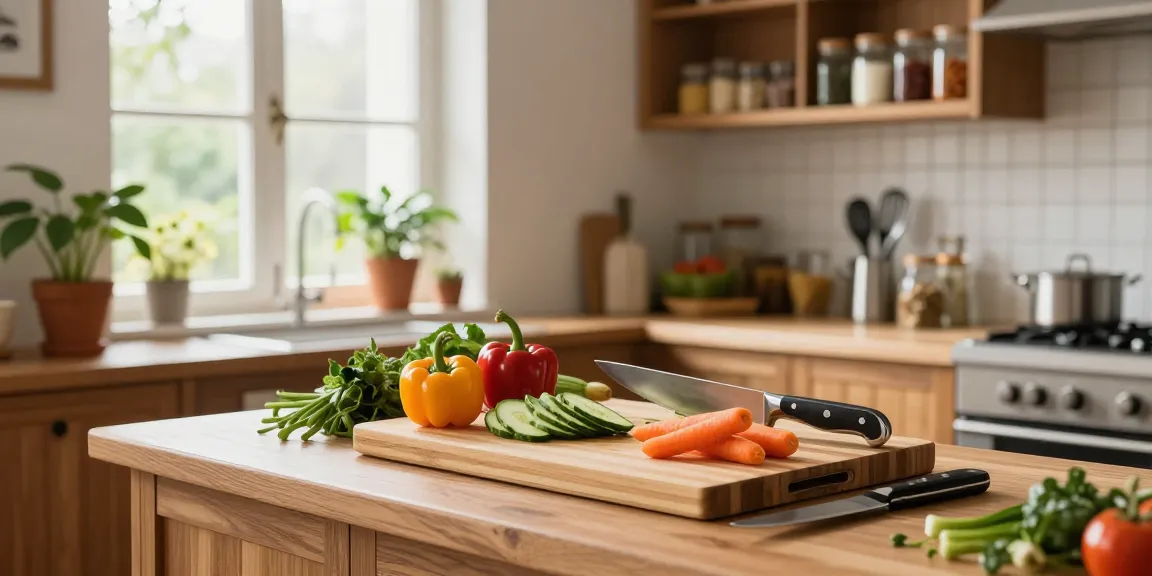
Understanding the Benefits of Bamboo Cutting Boards
Bamboo cutting boards have surged in popularity in recent years, and for good reason. They offer an attractive and durable solution for food preparation that not only meets the needs of modern kitchens but also addresses eco-friendly concerns. When exploring options, bamboo cutting board choices present a myriad of benefits, making them a superior alternative to traditional wooden or plastic boards.
Why Choose Bamboo Over Other Materials?
Bamboo cutting boards stand out among other materials because they combine the best features of both wood and plastic. Unlike traditional wooden boards, bamboo is more sustainable as it is a grass that grows rapidly, making it renewable. Furthermore, bamboo’s natural hardness makes it resistant to deep knife cuts, which means that it does not harbor bacteria as easily compared to plastic.
Eco-Friendly Aspects of Bamboo Cutting Boards
- Renewable Resource: Bamboo can grow up to four feet in a single day, making it one of the fastest-growing plants on the planet.
- Biodegradable: Unlike plastic boards, bamboo boards decompose, reducing waste in landfills.
- Low Carbon Footprint: The production process of bamboo cutting boards generally emits less carbon than produced wood or plastic.
Durability and Longevity of Bamboo
Bamboo cutting boards are known for their durability. Their dense fibers make them less prone to warping, cracking, or splintering than softer woods. Additionally, bamboo can withstand significant knife usage without dulling blades, making it an ideal choice for avid cooks.
Caring for Your Bamboo Cutting Board
Maintaining the integrity of your bamboo cutting board is crucial for its longevity. Regular care not only extends its life but also ensures food safety. Proper cleaning and maintenance practices will keep your board looking great and functioning well.
Cleaning and Maintenance Tips for Bamboo Cutting Boards
- Hand Wash: Always hand wash your bamboo cutting board with warm soapy water. Avoid soaking it in water as this can lead to warping.
- Dry Immediately: After washing, dry your board immediately with a soft cloth to prevent moisture absorption.
- Oiling: Periodically apply mineral oil to maintain the wood’s integrity and to enhance its appearance.
How to Avoid Common Damage
To avoid common issues such as cracking or warping, never place your bamboo cutting board in the dishwasher or microwave. Additionally, keep it away from direct sunlight to prevent drying out.
Best Products for Maintaining Bamboo Boards
Using the right products can help extend the life of your bamboo cutting board. A food-safe mineral oil or beeswax conditioner is ideal for keeping the cutting surface nourished and protected.
Choosing the Right Bamboo Cutting Board for Your Kitchen
Selecting the best bamboo cutting board involves considering various factors including size, type, and intended use. Understanding these aspects can ensure that you choose a board that serves your cooking needs effectively.
Factors to Consider When Buying a Bamboo Cutting Board
- Size: Consider your kitchen space and storage options when selecting a size that fits your needs.
- Thickness: Thicker boards tend to be sturdier and last longer.
- Functionality: Determine whether you need a board for general use, specific tasks like cheese or bread, or as a serving tray.
Top Features of High-Quality Bamboo Boards
Look for features such as non-slip feet, reversible sides, and juice grooves. These features enhance usability and help with cleanliness during meal prep.
Comparing Size and Shape Options
Bamboo cutting boards come in various sizes and shapes, including rectangular, square, and even novelty shapes. Consider what will work best for your kitchen workflow and storage capabilities.
Innovative Uses for Bamboo Cutting Boards
Bamboo cutting boards are versatile tools that can be used beyond basic food preparation. Understanding these innovative uses can elevate your kitchen experience.
How to Use Your Bamboo Cutting Board Beyond Cutting
- Serving Platter: Use your bamboo board to serve appetizers or desserts for a rustic touch.
- Food Presentation: Elevate your meals by using it as a stylish base for displaying dishes.
- Meal Prep Station: Organize your ingredients on the board while prepping, making it easier to transfer them to pots and pans.
Creative Serving Ideas Featuring Bamboo Boards
Utilize your bamboo board as a creative cheese or charcuterie board to impress your guests. Pair it with stylish knives and small bowls for olives or dips.
Incorporating Bamboo Boards in Meal Prep
Use your bamboo cutting board as a base for assembling sandwiches or wraps. Its large surface space is ideal for managing multiple ingredients at once.
Future Trends in Bamboo Kitchenware for 2026
The future of bamboo kitchenware is promising, particularly as consumers lean towards sustainability. New designs and innovations are emerging to meet the demands of eco-conscious buyers.
What’s Next for Bamboo Cutting Board Design?
We can expect to see more multifunctional designs that incorporate features such as built-in knife sharpeners or compartments for additional prep tools.
Emerging Eco-Friendly Trends in Kitchenware
- Composite Materials: Future bamboo products may combine bamboo with other sustainable materials to enhance durability.
- Customizable Designs: Offering personalized options could become a popular trend as consumers seek unique kitchenware.
Consumer Preferences Shaping the Future of Bamboo Products
As consumers become more educated about the environmental impact of their purchases, bamboo cutting boards are likely to trend upwards due to their sustainability and functionality.
What are the downsides of bamboo cutting boards?
While bamboo cutting boards have many advantages, they’re not without some disadvantages. Some may find that they can be slightly more susceptible to knife marks over time compared to hardwood boards, but this varies based on the quality of the bamboo.
Are bamboo cutting boards safe for food preparation?
Yes, bamboo cutting boards are generally safe for food preparation, especially when properly maintained. They are naturally anti-bacterial and less porous than wood.
How to clean a bamboo cutting board properly?
Cleaning is straightforward; wash with warm soapy water, rinse, and dry immediately. Regular oiling helps maintain its condition.
What are the best bamboo cutting boards on the market?
Look for boards made from organic, sustainably-sourced bamboo, such as those available from trusted retailers offering high-quality options.
Can I put my bamboo cutting board in the dishwasher?
No, it is not recommended to put your bamboo cutting board in the dishwasher as it can warp and crack. Hand washing is the best approach.


