


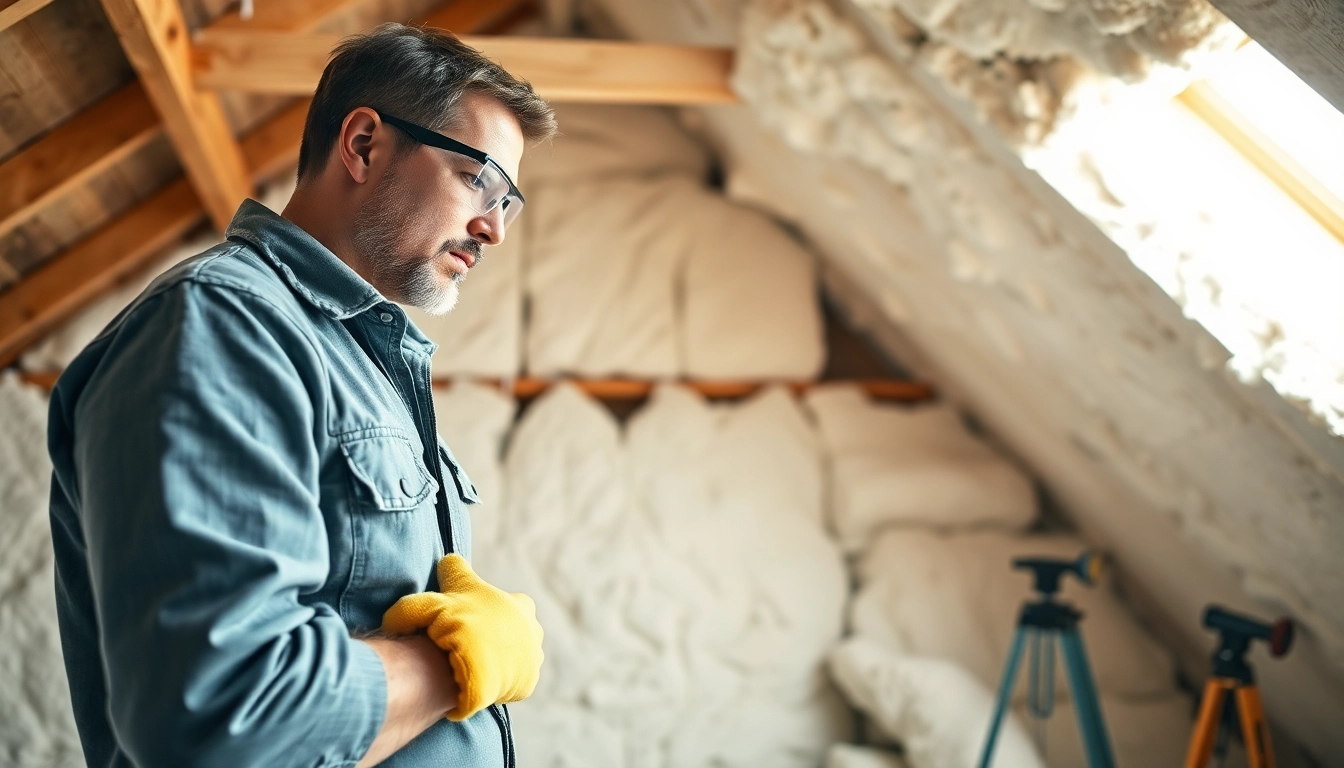
Introduction to Spray Foam Insulation Removal
Spray foam insulation is a popular choice for homeowners seeking an effective way to insulate their properties. However, there may come a time when it needs to be removed due to issues such as mold growth, structural damage, or simply the desire to replace it with a different insulation type. Understanding the cost to remove spray foam insulation and the factors surrounding the removal process is crucial for effective planning.
What is Spray Foam Insulation?
Spray foam insulation is a versatile material composed of two main components: isocyanate and polyol resin. When mixed together, they create a foam that expands and hardens, filling cavities and sealing gaps effectively. This insulation method provides excellent thermal resistance, making it a preferred choice for energy efficiency in residential and commercial buildings.
The Importance of Proper Removal
Proper removal of spray foam insulation is essential to ensure safety and avoid damage to underlying structures. Incorrect removal can lead to hazardous conditions, such as exposing harmful airborne particles or damaging electrical wiring. Additionally, ensuring a clean removal allows for the introduction of new insulation methods that can further improve energy efficiency and indoor air quality.
Overview of Removal Costs
The costs associated with spray foam insulation removal can vary widely. Factors affecting these costs include the type and thickness of the insulation, the size of the area being treated, and labor rates in your region. Generally, the average costs can range significantly, often falling between $1.50 to $3.50 per square foot, depending on these varying elements.
Factors Influencing the Cost to Remove Spray Foam Insulation
Type of Insulation Used
The composition of the spray foam insulation greatly influences removal costs. There are two main types: open-cell and closed-cell foams. Open-cell foam is lighter and easier to remove, while closed-cell foam is denser and more challenging, often requiring specialized equipment and techniques that can drive up costs. Understanding which type you have will provide estimated removal prices.
Size of the Area
The overall size of the area where the spray foam is installed directly correlates with removal costs. Larger areas take more time and labor to clear, contributing to increased expenses. When budgeting for removal, it is essential to measure the square footage accurately to obtain precise estimates from contractors.
Labor Costs and Professional Services
Hiring professionals for spray foam insulation removal is often recommended due to the complexities involved in the process. Labor costs vary by region and the contractor’s experience level. High-quality services might come at a premium, but investing in skilled labor can save you time and potential hazards that may arise from DIY attempts.
Cost Breakdown of Removal Services
Average Pricing Structures
On average, homeowners can expect varying pricing structures based on square footage. Typically, professional removal can cost anywhere from $1.50 to $3.50 per square foot. For example, a 1,000 square foot area might range from $1,500 to $3,500. These averages should serve as initial reference points; homeowners are encouraged to get quotes from multiple providers to assess fair market value.
Hidden Costs to Consider
In addition to direct removal costs, homeowners should be mindful of hidden expenses. These can include disposal fees, potential repairs to walls or ceilings after removal, and even costs related to air quality testing if there are concerns about mold or other contaminants. It is advisable to have a comprehensive estimate prepared to account for these variables and avoid surprise expenses later.
Cost Comparison: DIY vs Professional Removal
While attempting to remove spray foam insulation oneself might be appealing for cost-saving purposes, it is essential to consider the risks involved. DIY removal can lead to safety hazards and improper techniques that may incur additional costs in repairs or ineffective removal. Research suggests that hiring professionals often results in a better outcome, as they have the necessary experience and equipment.
Best Practices for Spray Foam Insulation Removal
Preparing Your Space for Removal
Before initiating the removal process, thorough preparation is needed. This includes clearing the area of furniture and any obstructions, ensuring proper ventilation to prevent inhalation of particles, and having necessary tools organized for streamlined work. Proper prep can significantly enhance the efficiency of the removal process.
Safety Precautions to Take
Safety is paramount during spray foam insulation removal. Individuals should wear protective gear such as gloves, masks, and goggles to shield themselves from harmful particles. Additionally, it’s crucial to ensure that the workspace is well-ventilated to minimize exposure to fumes and particles. Heeding these safety measures prevents potential health risks associated with the removal process.
Post-Removal Considerations
After removal, it is necessary to address the condition of the surfaces once the insulation has been cleared. Depending on the state of the area, repairs may be needed, including patching up drywall or other surfaces. Additionally, it is vital to evaluate options for replacement insulation that aligns with the energy efficiency goals and requirements of the space.
Frequently Asked Questions about Removing Spray Foam Insulation
What is the average cost to remove spray foam insulation?
The average cost varies based on the area and complexity, generally ranging from $1.50 to $3.50 per square foot.
Can I remove spray foam insulation myself?
While possible, DIY removal can be hazardous; hiring professionals is often safer and more effective.
What tools do I need to remove spray foam insulation?
Common tools include a utility knife, protective gear, a pry bar, and a vacuum for cleanup.
How long does the removal process take?
The timeframe can vary but expect around 1 to 3 days, depending on the size of the area.
What do I need to do after the insulation is removed?
Plan for cleanup, consider repairs if necessary, and decide on new insulation options.


